
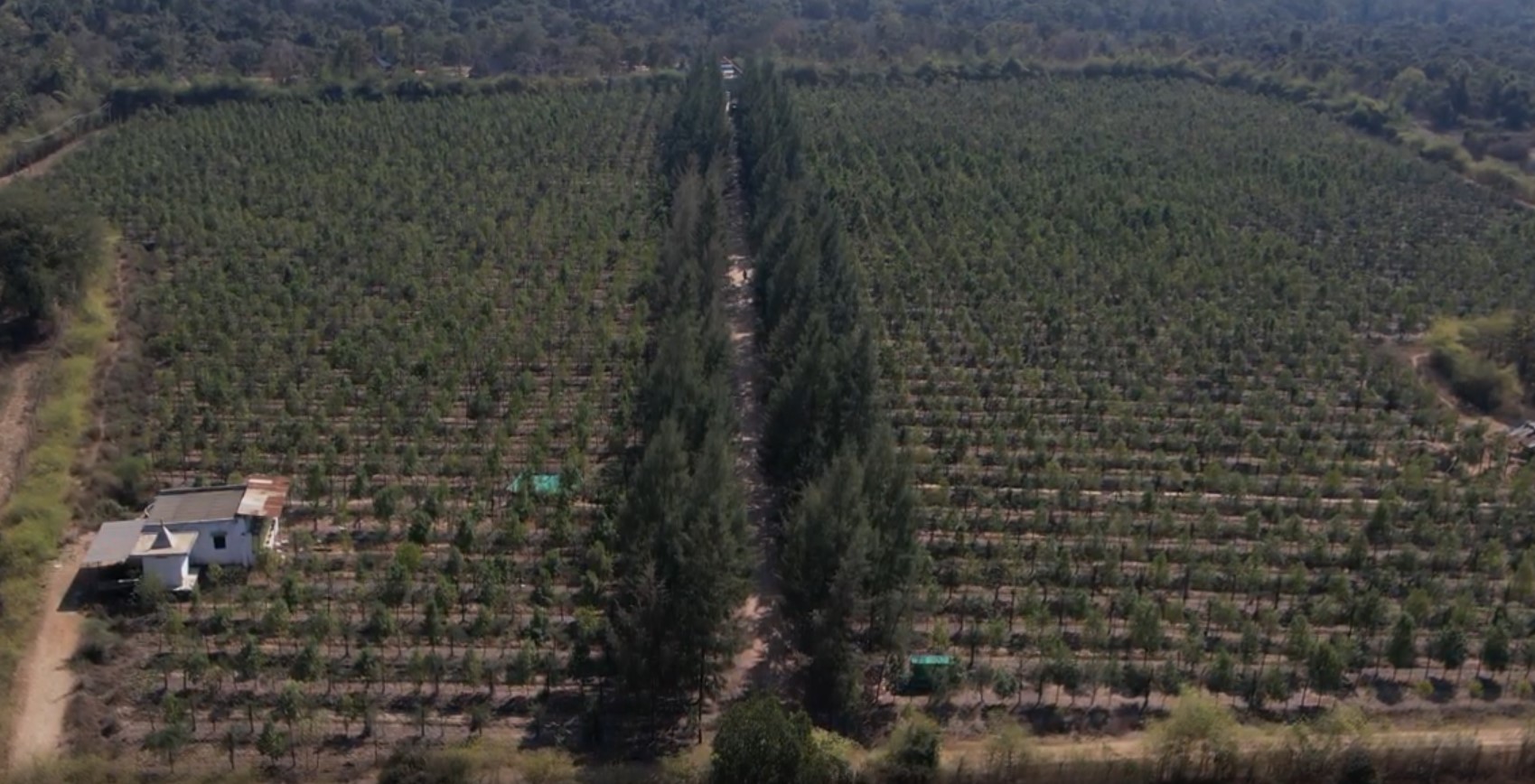
If you’re buying it for the right crop. Agricultural land in Maharashtra on its own is just land. What actually makes it a good investment is what you plant on it – and sandalwood happens to be one of the smartest choices going around right now.
Here’s why that matters, and why so many people are choosing to buy agricultural land in Maharashtra specifically for sandalwood instead of the usual cotton or soybean plots.
Why Sandalwood Changes the Math
Think about how most farmland investments work. You buy a plot, someone plants cotton or soybean, and then you spend the next several years hoping the monsoon behaves and the mandi price doesn’t crash right when it’s time to sell. That’s the reality for a lot of seasonal crop land – good years, bad years, no real control over either.
Sandalwood doesn’t play by those rules. It’s a tree, not a seasonal crop, so it isn’t replanted every year, and it isn’t nearly as exposed to those yearly price swings. What really sets it apart, though, is the demand behind it. Perfumers want it. Temples and religious use want it. Cosmetics brands want it. Even pharma has uses for it. That kind of steady, spread-out demand is exactly what gives sandalwood farmland its staying power.
This is essentially the whole business SM Golden is built around. No residential plots, no random crop land thrown in to pad a listing – just sandalwood agricultural land in and around Nagpur, positioned for sandalwood from day one.
Why Nagpur, Specifically?
Nagpur’s soil and climate happen to suit sandalwood reasonably well within Maharashtra, and that’s a big part of why SM Golden has stayed focused on this belt rather than scattering plots across the state. Buying land that’s already set up for sandalwood – instead of buying generic farmland and figuring out later whether it’ll even work – saves you a lot of guesswork most first-time buyers don’t even know to ask about.
What to Actually Check Before You Buy
If you’re serious about buying agricultural land in Maharashtra for sandalwood, don’t skip the boring paperwork. It’s boring for a reason – it’s the part that protects you.
Start with the 7/12 extract, or Satbara Utara, along with the mutation entries. This tells you who actually owns the land and whether anything’s tangled up in a dispute. Next, make sure the land is officially classified as agricultural, with nothing pending on conversion or litigation.
If you’re not a farmer by profession, check whether Maharashtra’s rules around non-agriculturist land purchases apply to you – this trips people up more often than you’d expect. Water access and soil quality matter too, even for a low-maintenance crop like sandalwood, especially in its early years. And maybe the most underrated check of all: who you’re buying from. A seller who’s upfront about timelines, growth expectations, and paperwork saves you a world of trouble later.
This is really where working with someone who specialises in sandalwood – rather than a generalist land dealer – pays off.
How Long Before It Actually Pays Off?
Let’s be honest about this part: sandalwood is not a quick flip. It takes several years to mature into something commercially valuable. If you’re the type who wants returns within twelve months, this isn’t your investment.
But if you can be patient, you’re looking at a crop that has genuine commercial demand waiting for it at maturity – not land sitting idle, not a gamble on next year’s rainfall.
So, Is It Actually Worth It?
Compared to buying random agricultural land in Maharashtra and hoping the market moves in your favour, sandalwood farmland gives you something more concrete – land ownership plus a crop that’s actually appreciating on its own. Bare land with no plan is just money sitting there doing nothing. Sandalwood farmland keeps working while you wait.
Bottom Line
Agricultural land in Maharashtra is only as good as what you do with it, and sandalwood is one of the few crops that turns that land into something genuinely worth holding onto. It’s slow, sure, but it’s steady – and the demand for it isn’t disappearing anytime soon.
If you’re thinking about buying agricultural land in Maharashtra specifically for sandalwood, it’s worth going with someone who’s already built their business around getting this right. SM Golden’s sandalwood farmland in Nagpur is set up so the land, the crop, and the paperwork are sorted from the start – not something you’re left to figure out on your own after the sale.
Frequently Asked Questions
Is sandalwood farmland actually profitable in Maharashtra?
It can be, as long as the land has clean paperwork, decent soil and water access, and comes from a seller who knows sandalwood cultivation well. The demand for the crop itself is what carries the long-term value.
Who’s even allowed to buy agricultural land in Maharashtra?
It depends. Maharashtra imposes restrictions on non-agriculturists buying farmland, which vary by district, so it’s worth checking your own eligibility before you get too far into a deal.
Why sandalwood over other crops?
Because sandalwood isn’t tied to a single harvest season or a mandi price that can swing overnight. It grows over years, and the demand for it – perfumery, religious use, cosmetics – doesn’t really go away.
What paperwork should I actually be checking?
The 7/12 extract, mutation entries, land use classification, and confirmation that there’s no pending dispute on the title. Skip these, and you’re basically buying blind.
What does SM Golden actually offer?
Sandalwood agricultural land in the Nagpur region – nothing else mixed in. The land, the paperwork, and the crop guidance are all built specifically around sandalwood.
How long until sandalwood farmland pays off?
Several years, typically. It’s a long-term hold, not a quick-turnaround investment, so it suits patient buyers more than anyone chasing fast returns.