
Secure Your Future
with Small Investment
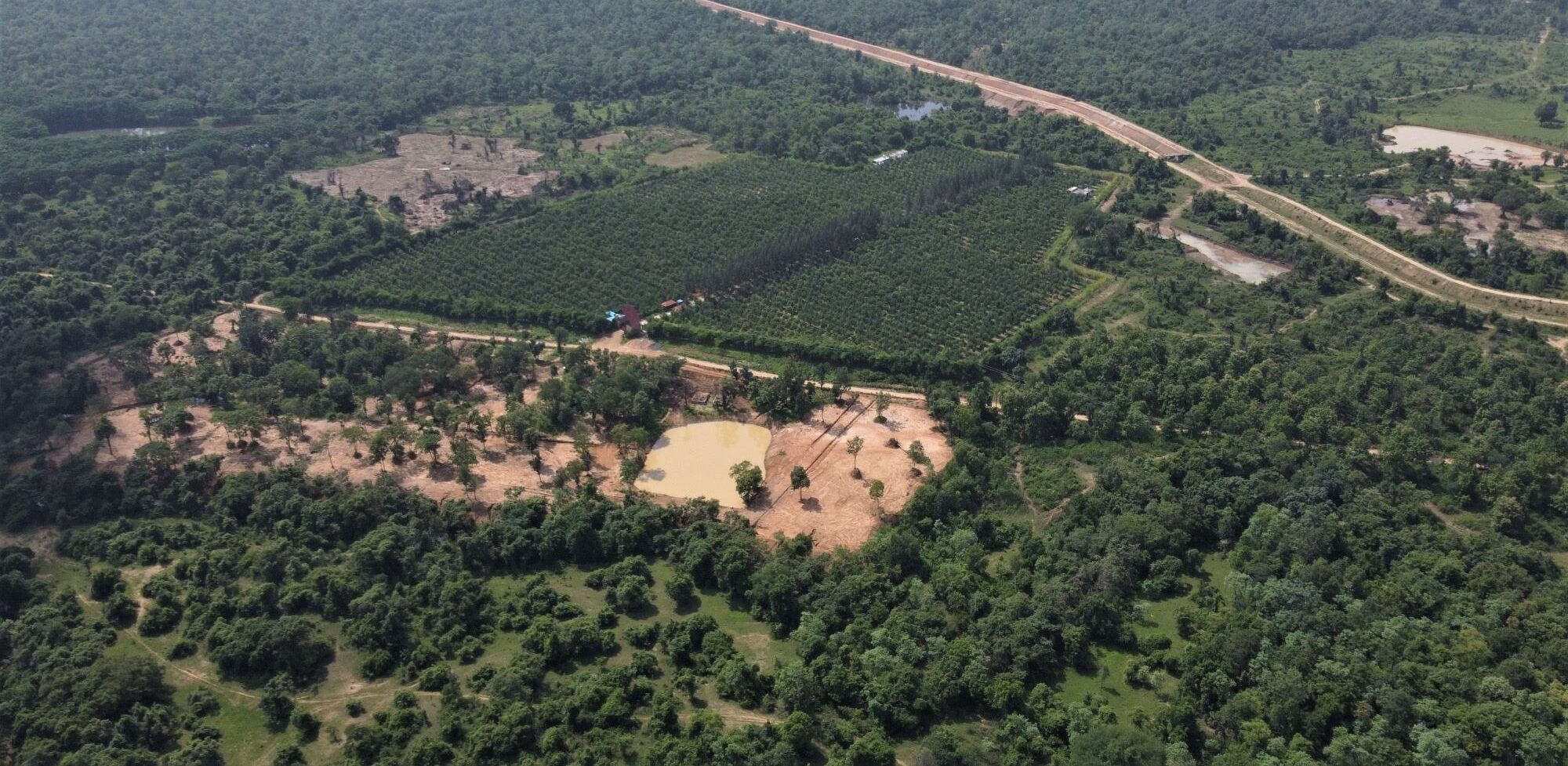

Khasra No.
86,87/1,88/1,92,94
Located at
Mauza Chhatarpur, Tahsil-Ramtek, Dist.-Nagpur
Documentation
Agreement to Sale, Sale Deed, 7/12 and Contract Farming
Project Type
Sandalwood Farmland
Plot Size
5382Sq.ft, 10,764Sq.ft & 21528Sq.ft
Total Units
146 Plots
Salasar Farms & Agro Tourism
Chandan Ka Nirman, Banaye Aapko Dhanwan
SM Golden Trees Agro LLP, established in 2021, offers farmland plots in sizes of 5,382 sq. ft., 10,764 sq. ft., and 21,528 sq. ft. Investors purchasing a plot enjoy benefits such as 40% gross profit sharing from sandalwood plantations (planted in 2021), complete management of the plantation by the company until maturity, and zero expenses or risks. Additionally, investors receive a 12-year exclusive Clubhouse Membership for quality family time and premium amenities.

Instagram QR CODE
Amenities
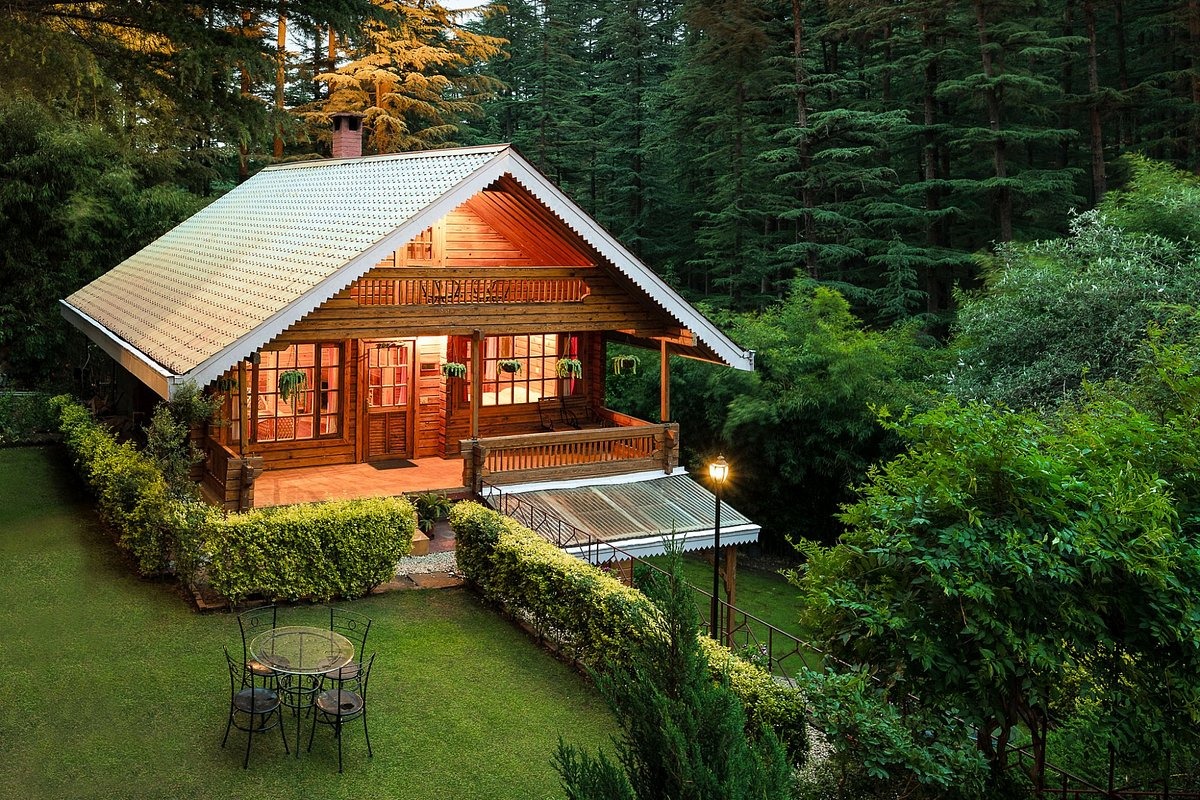
Cottages
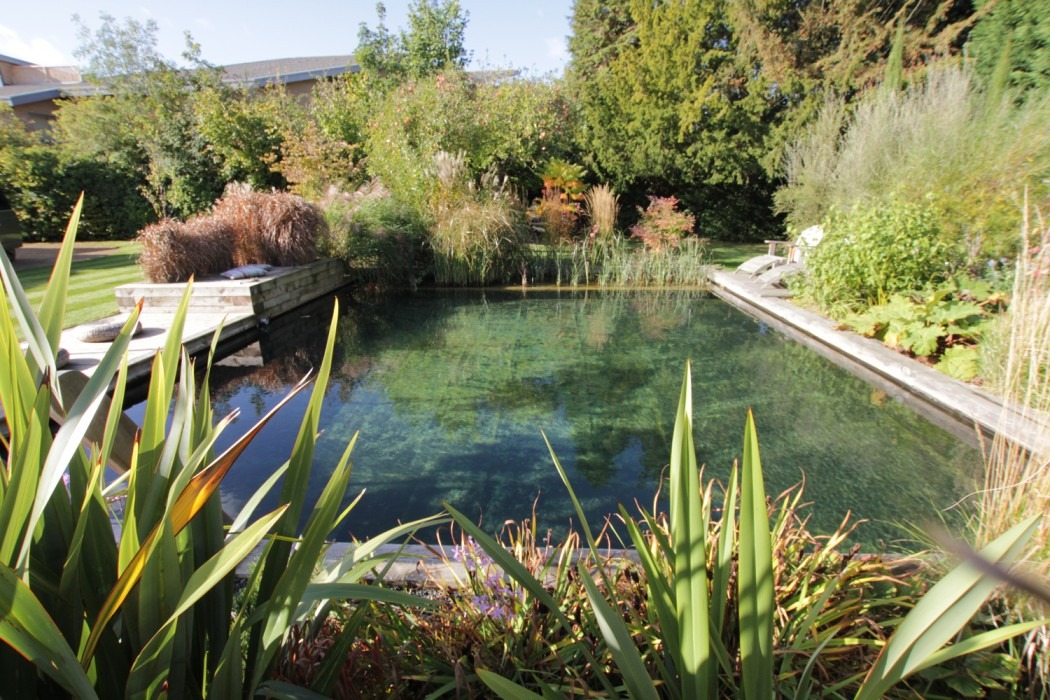
Nature Pool
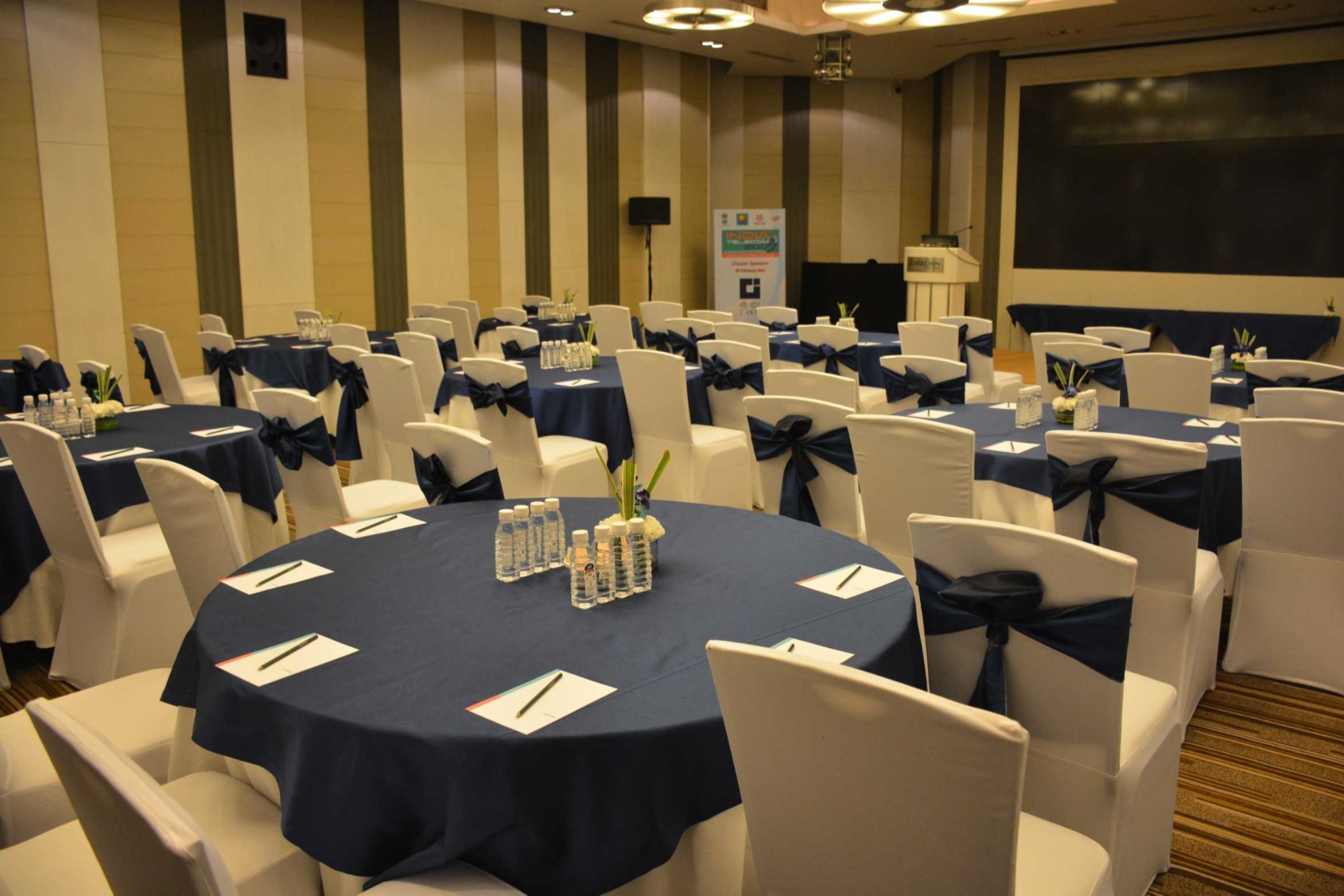
Party/ Conference Hall
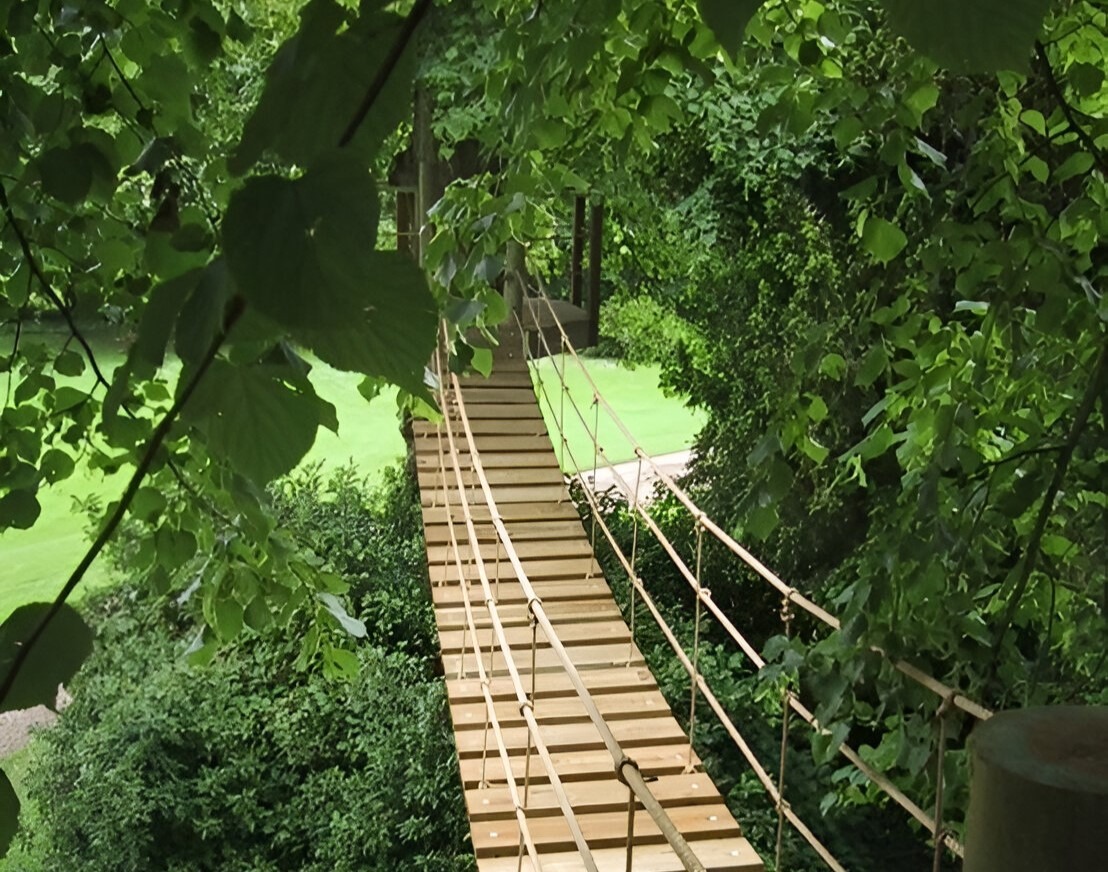
Tree Bridge
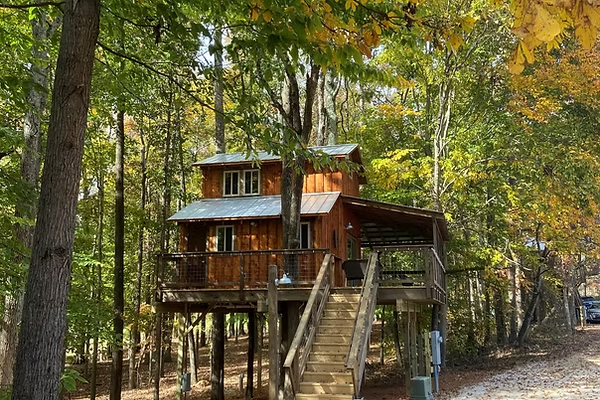
Tree House
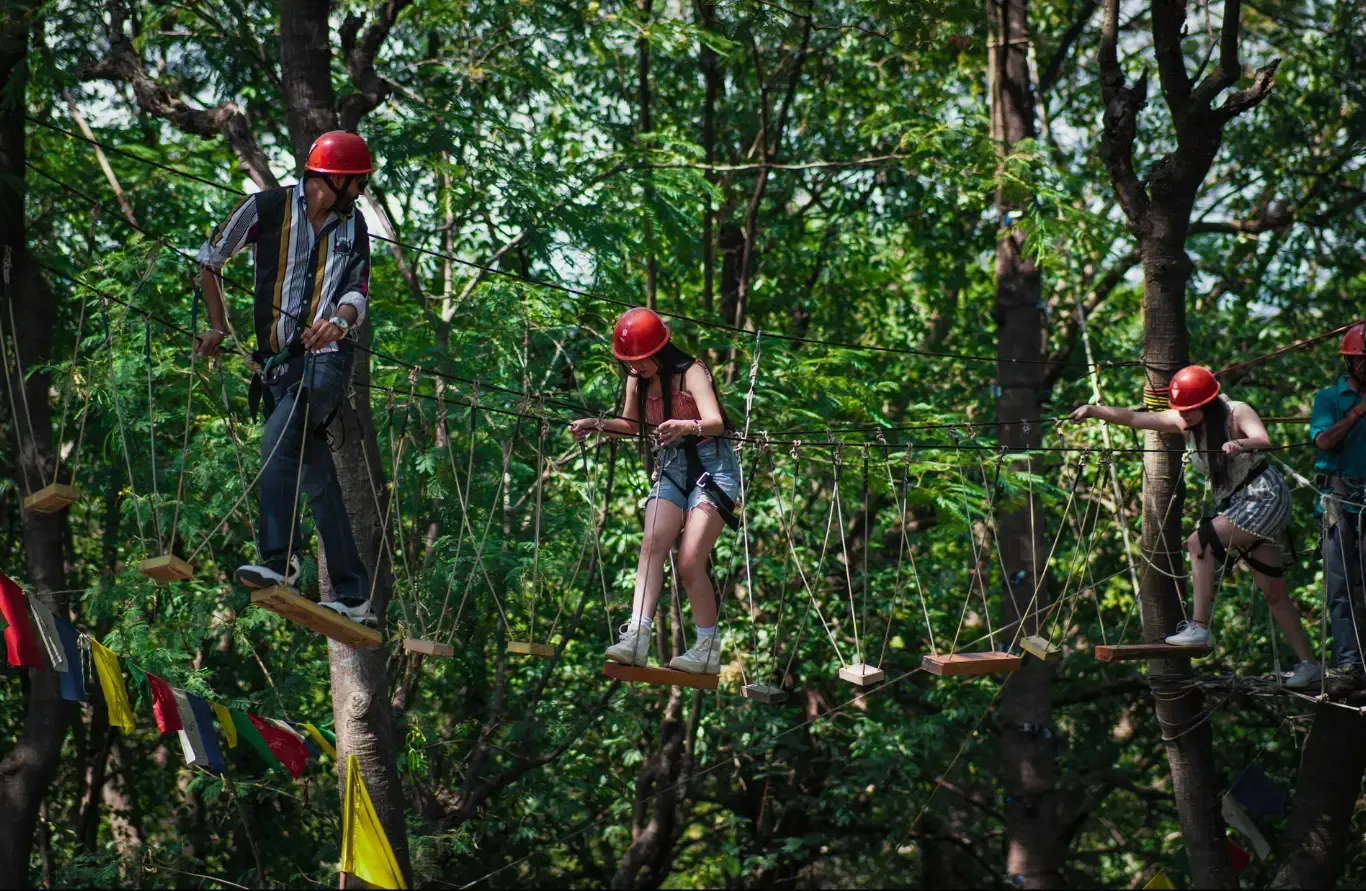
Jungle Adventure Action
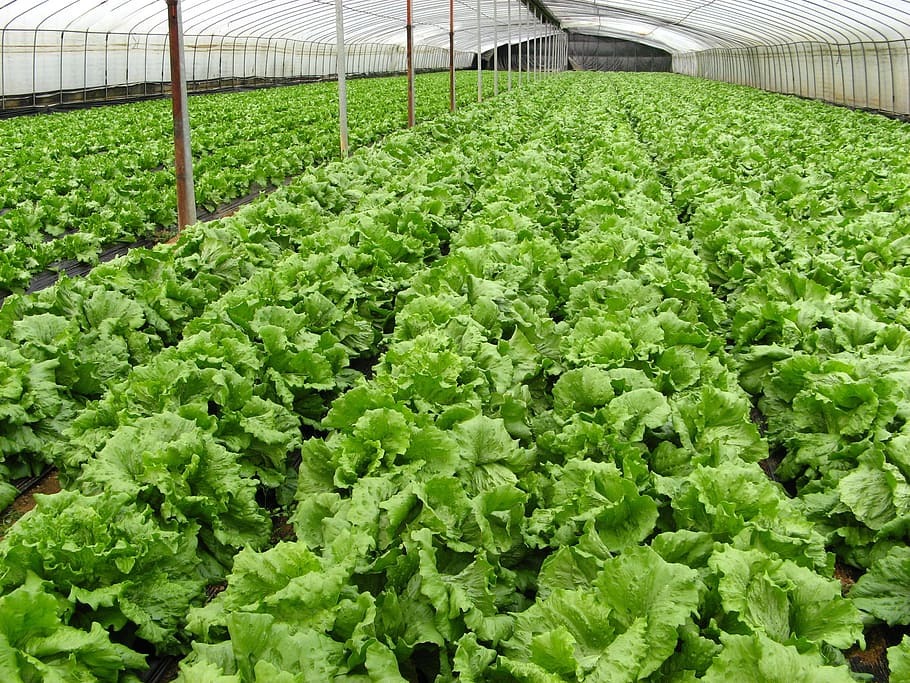
Organic Farms
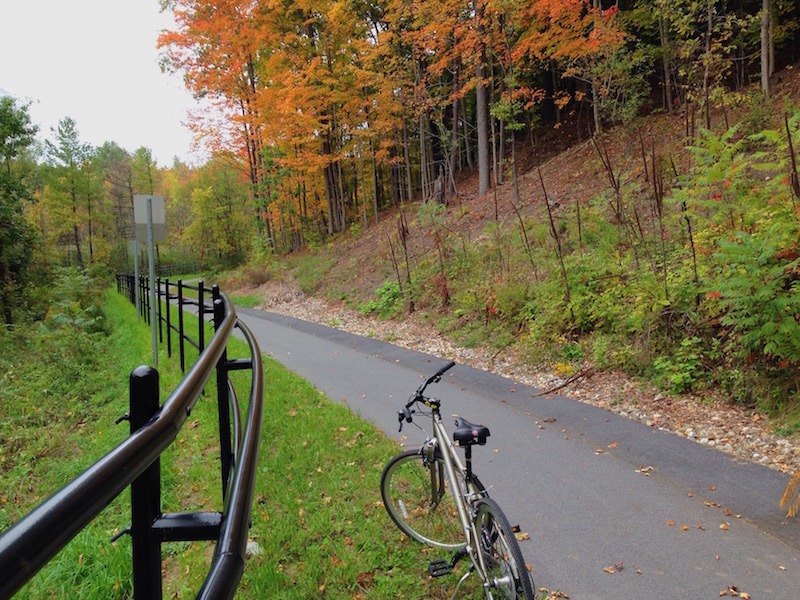
Cycling Track
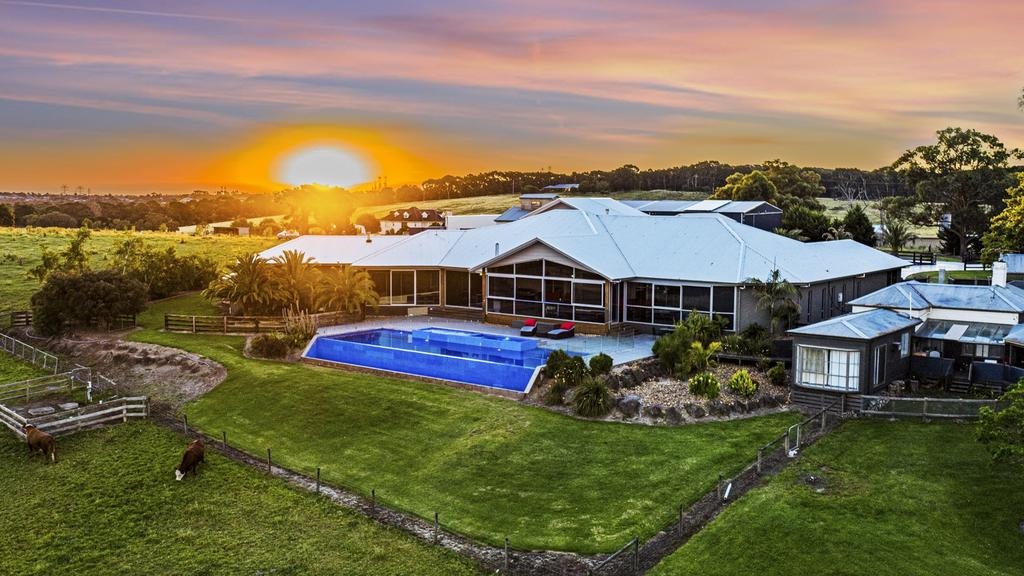
Luxurious Farmhouse
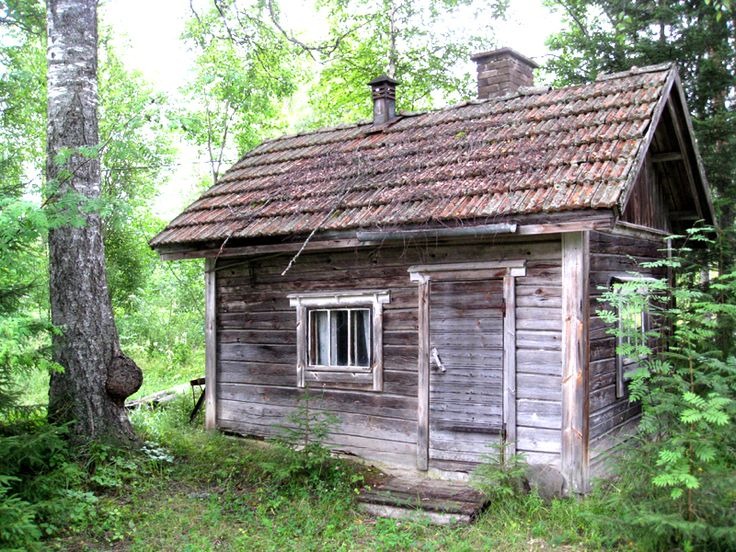
Forest Hut
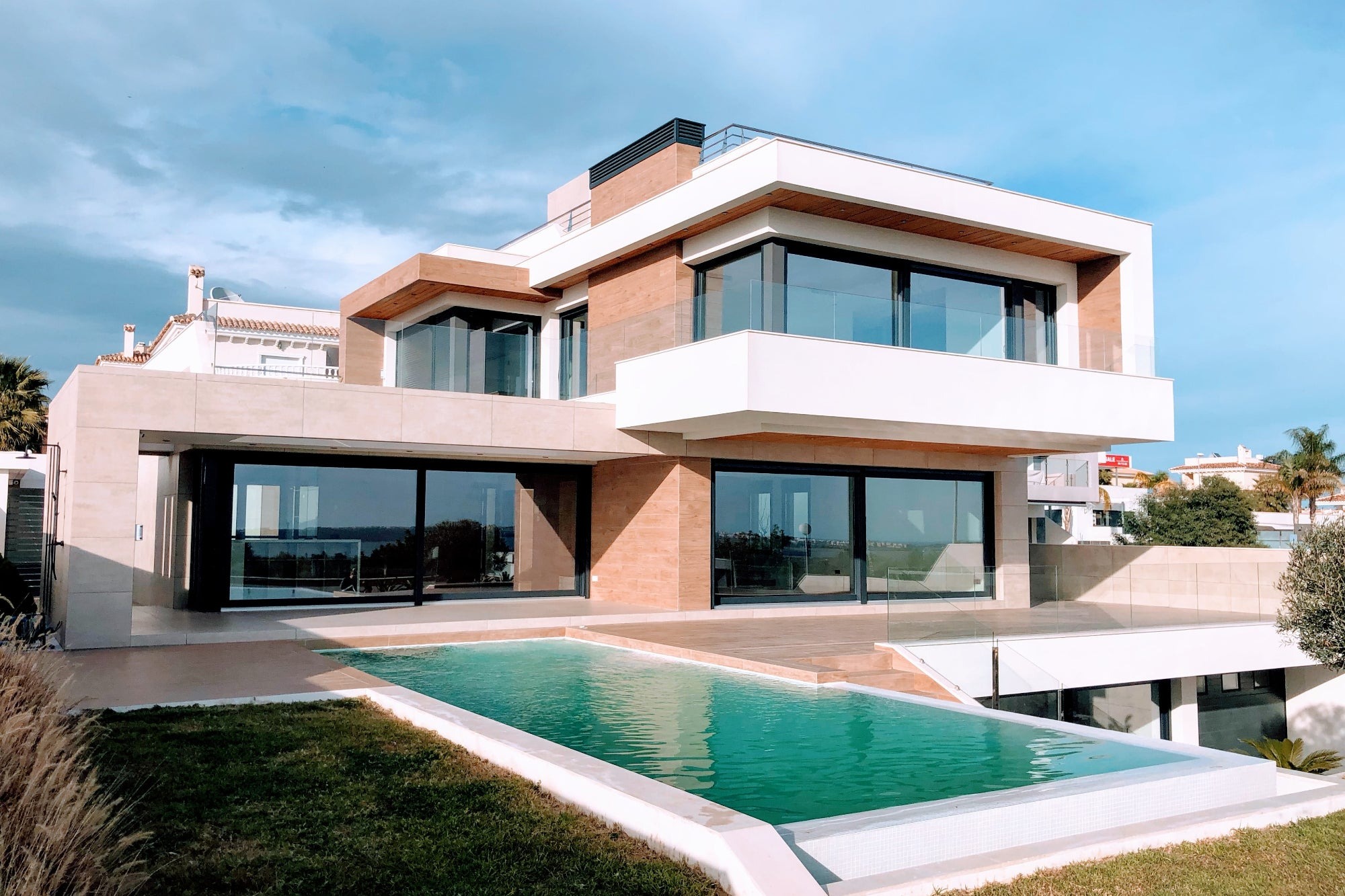
Villas
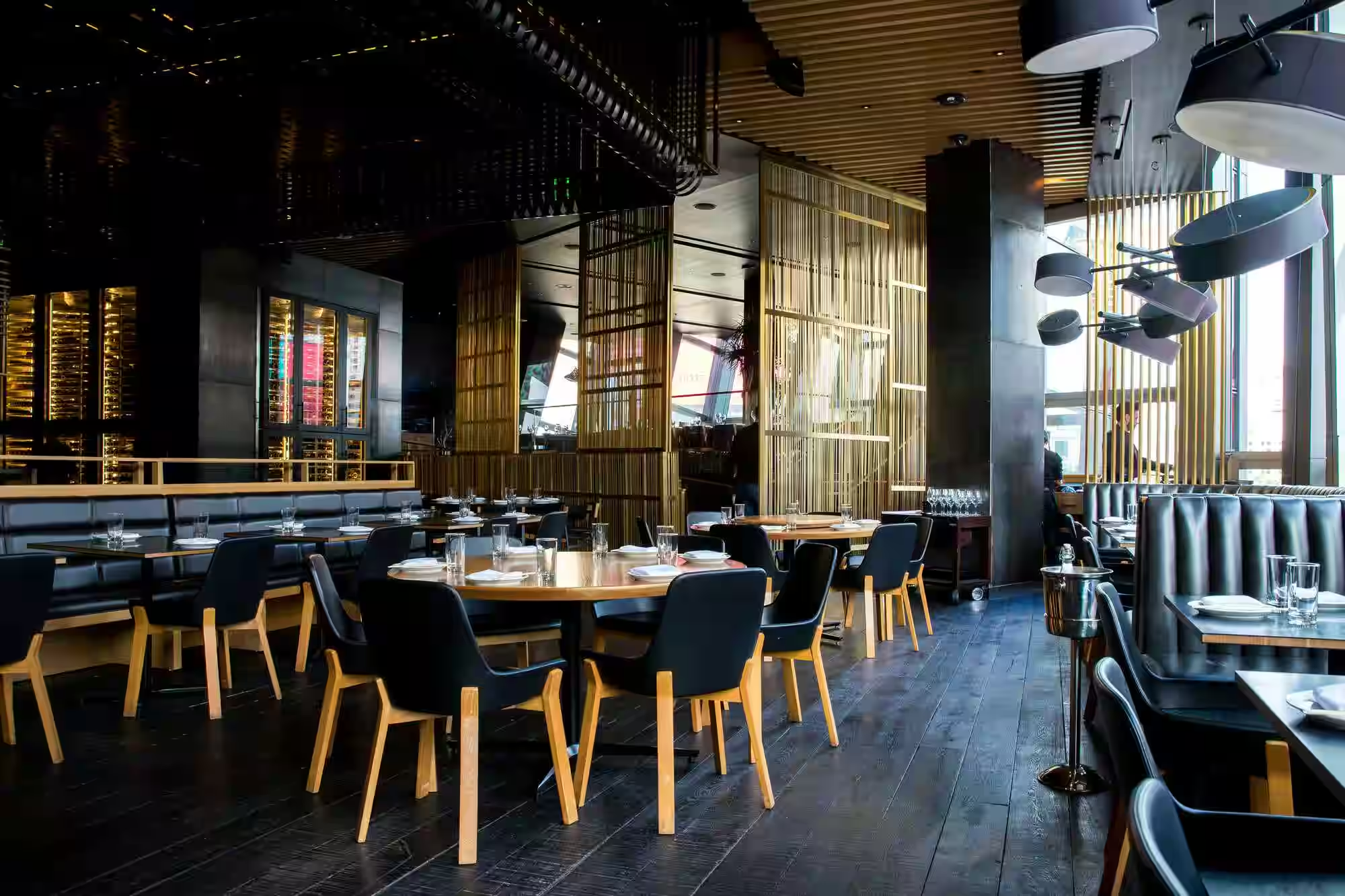
Restaurant
Nearby Places
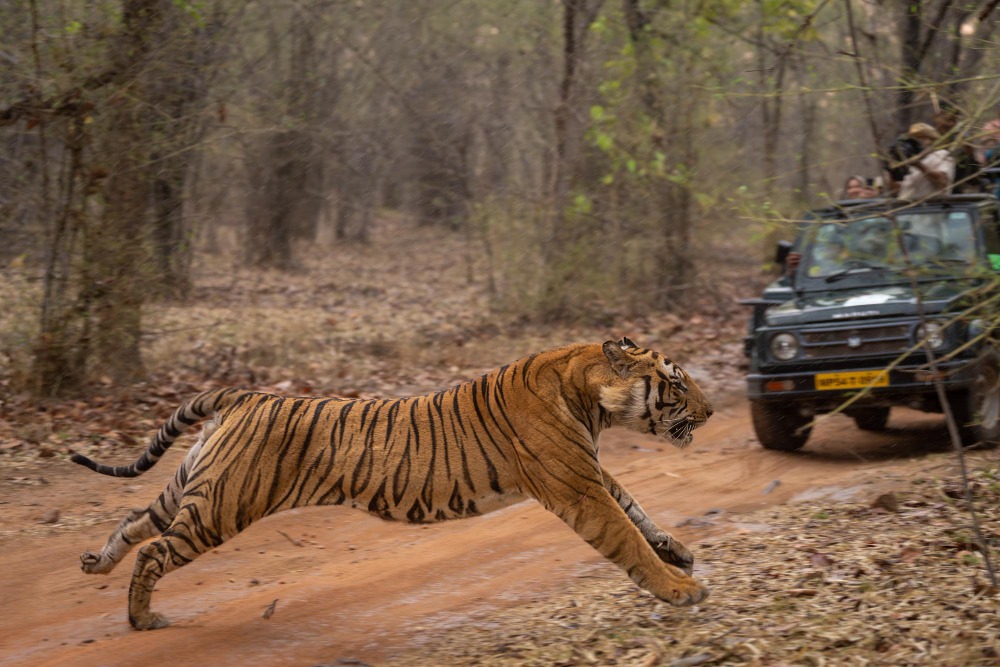
Pench Tiger Reserve
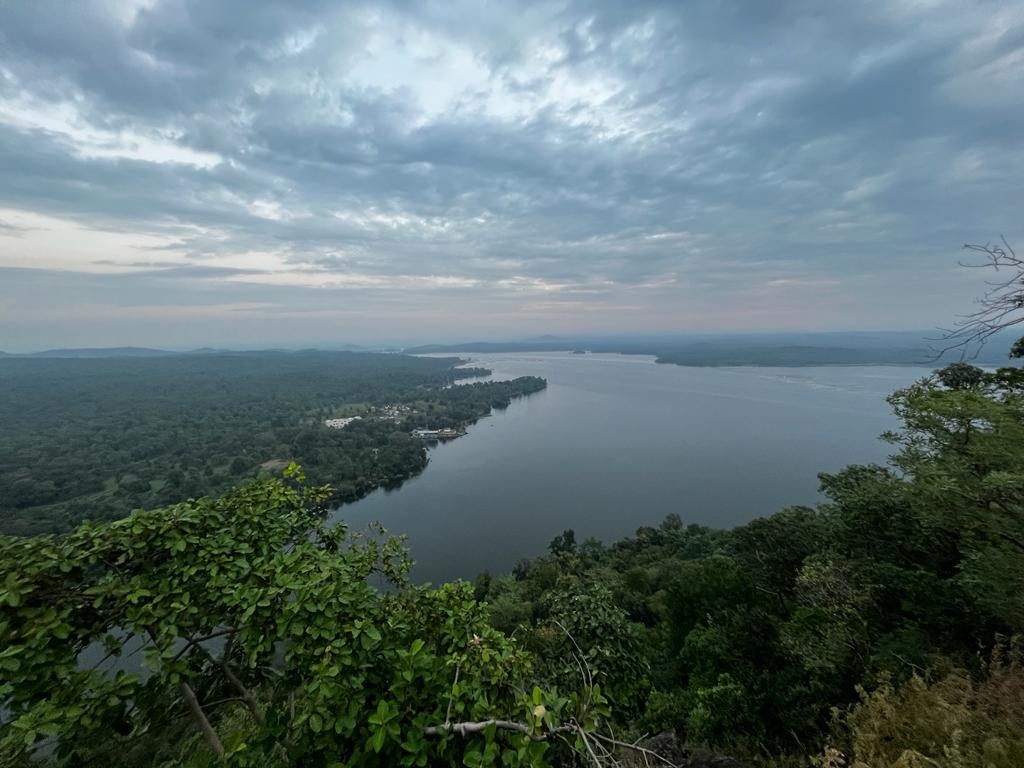
Kuwara Bhivsen
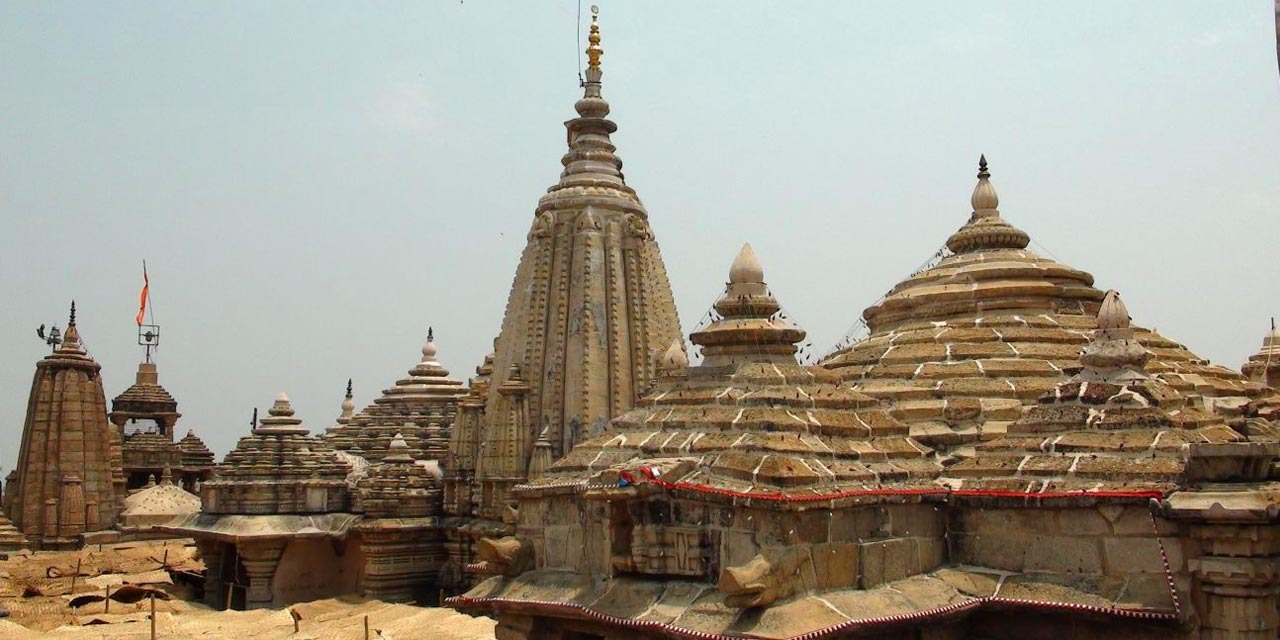
Ramtek Gadh Mandir
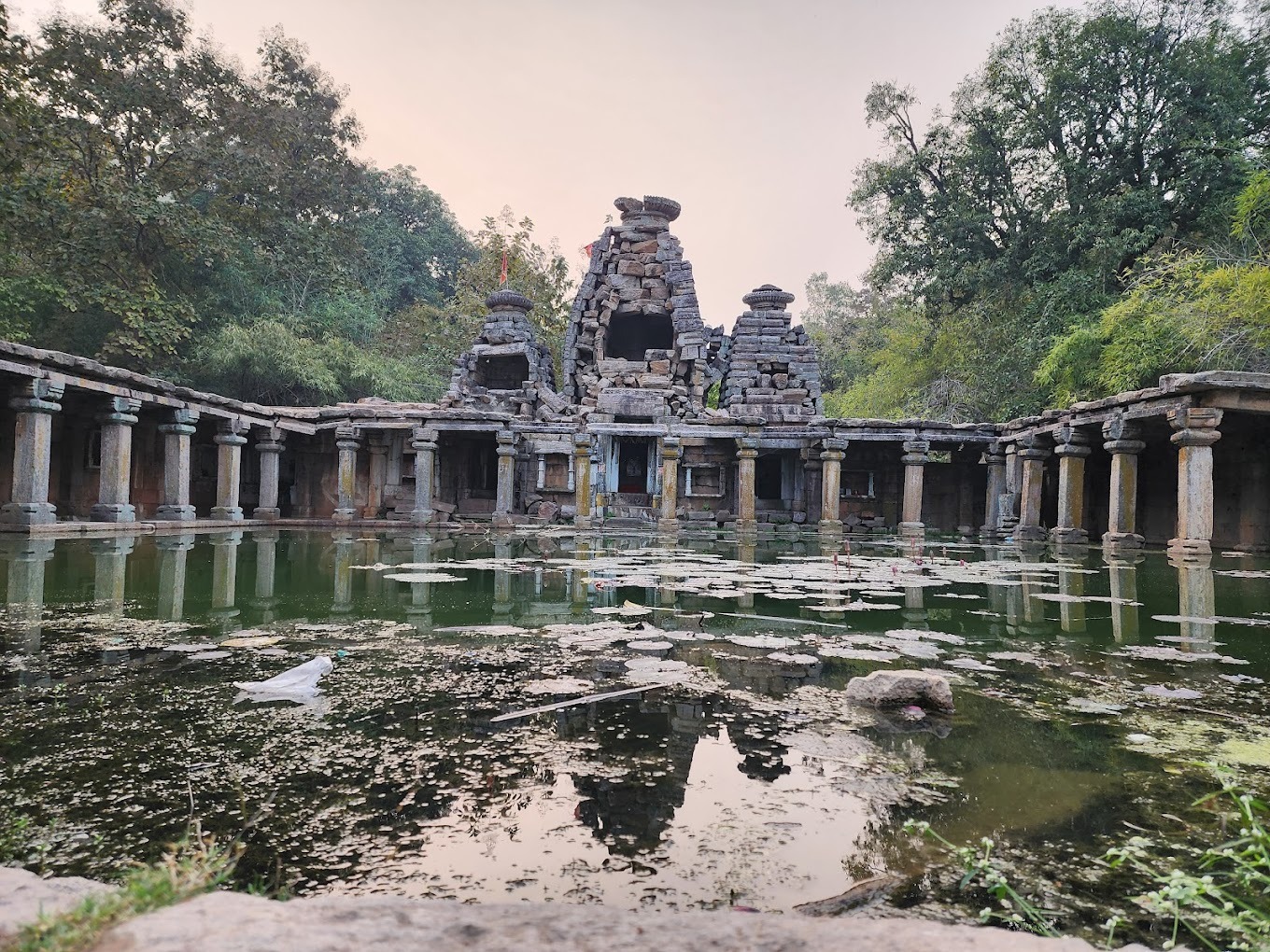
Kapoor Baoli
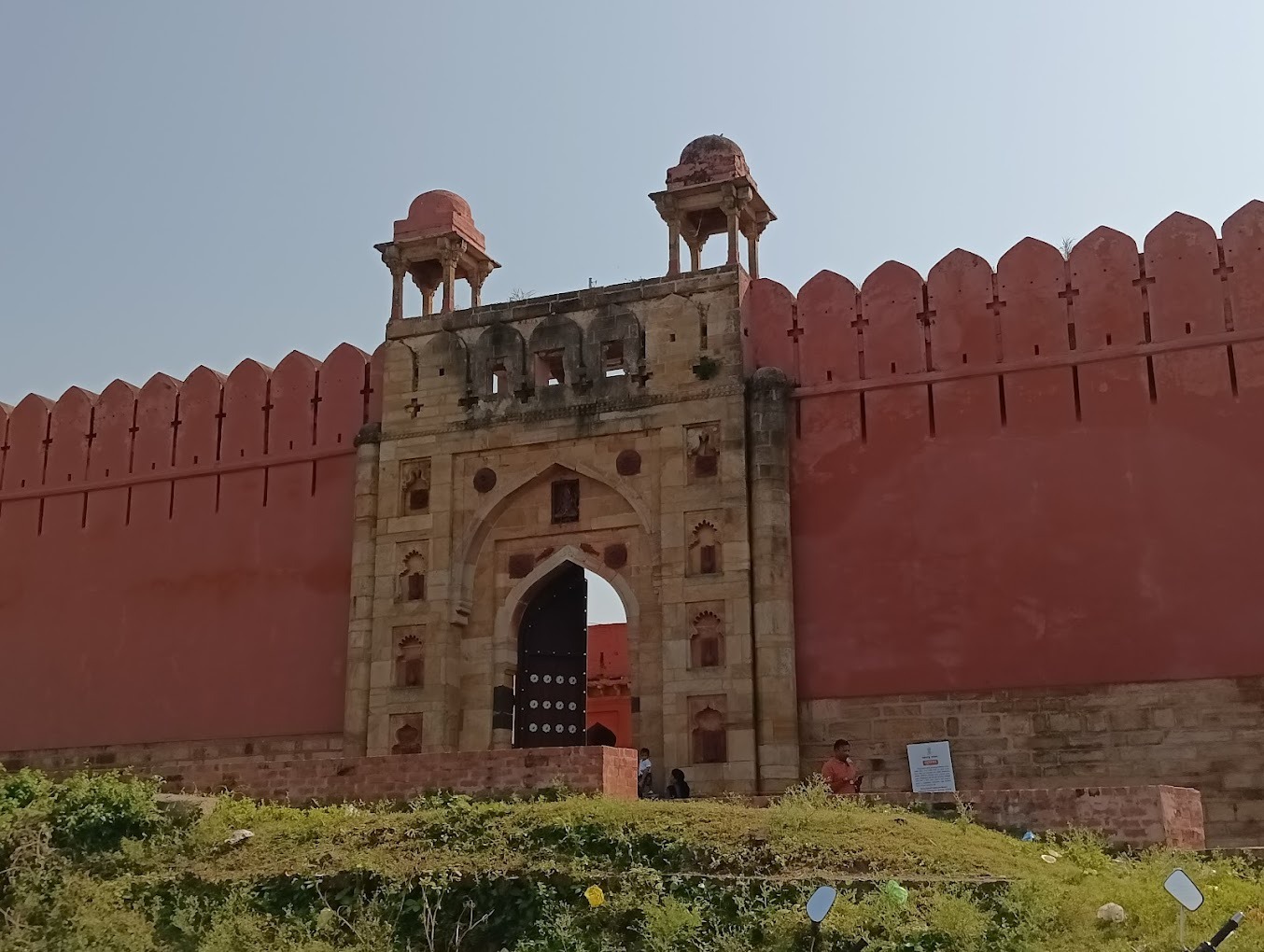
Nagardhan Fort
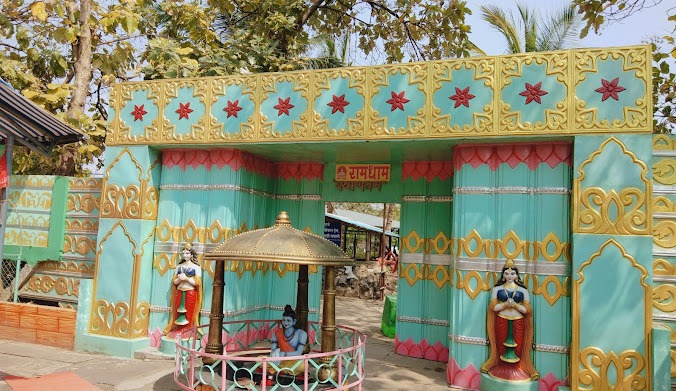
Ramdham
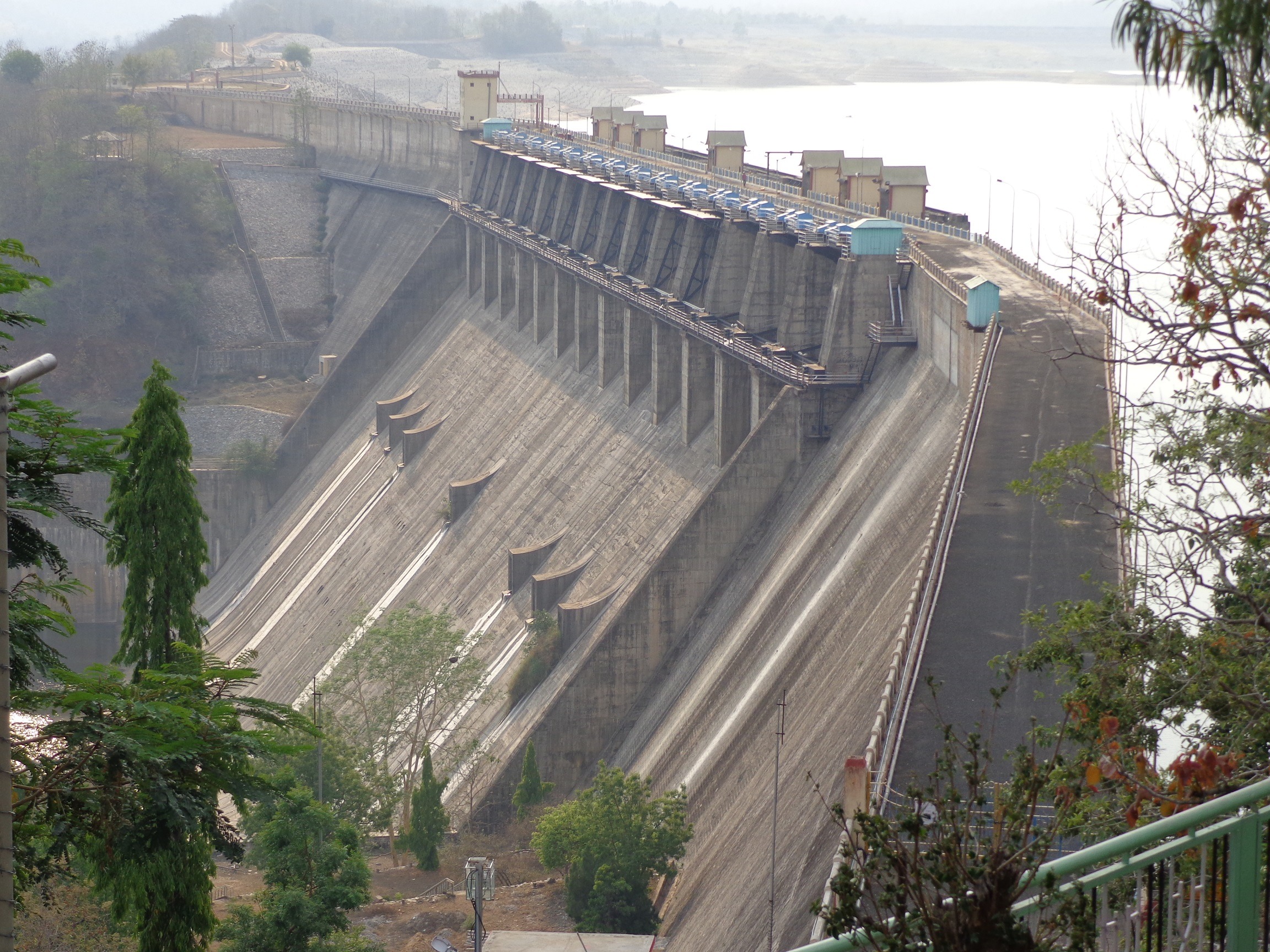
Totladoh Dam
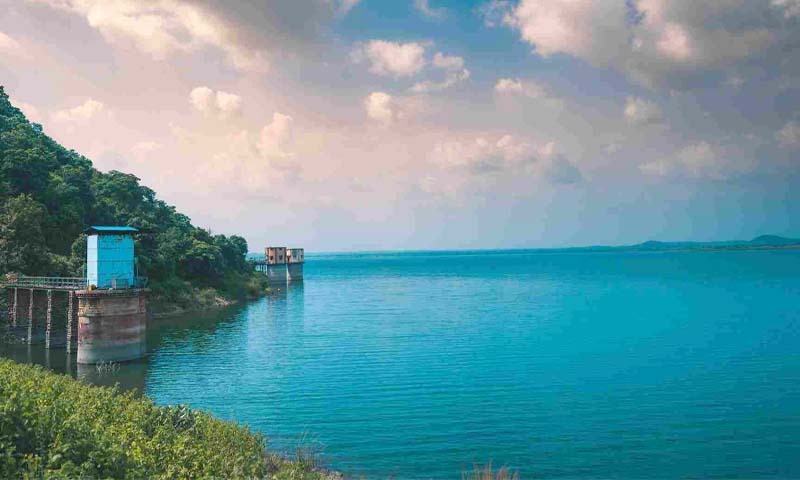
Khindsi Lake
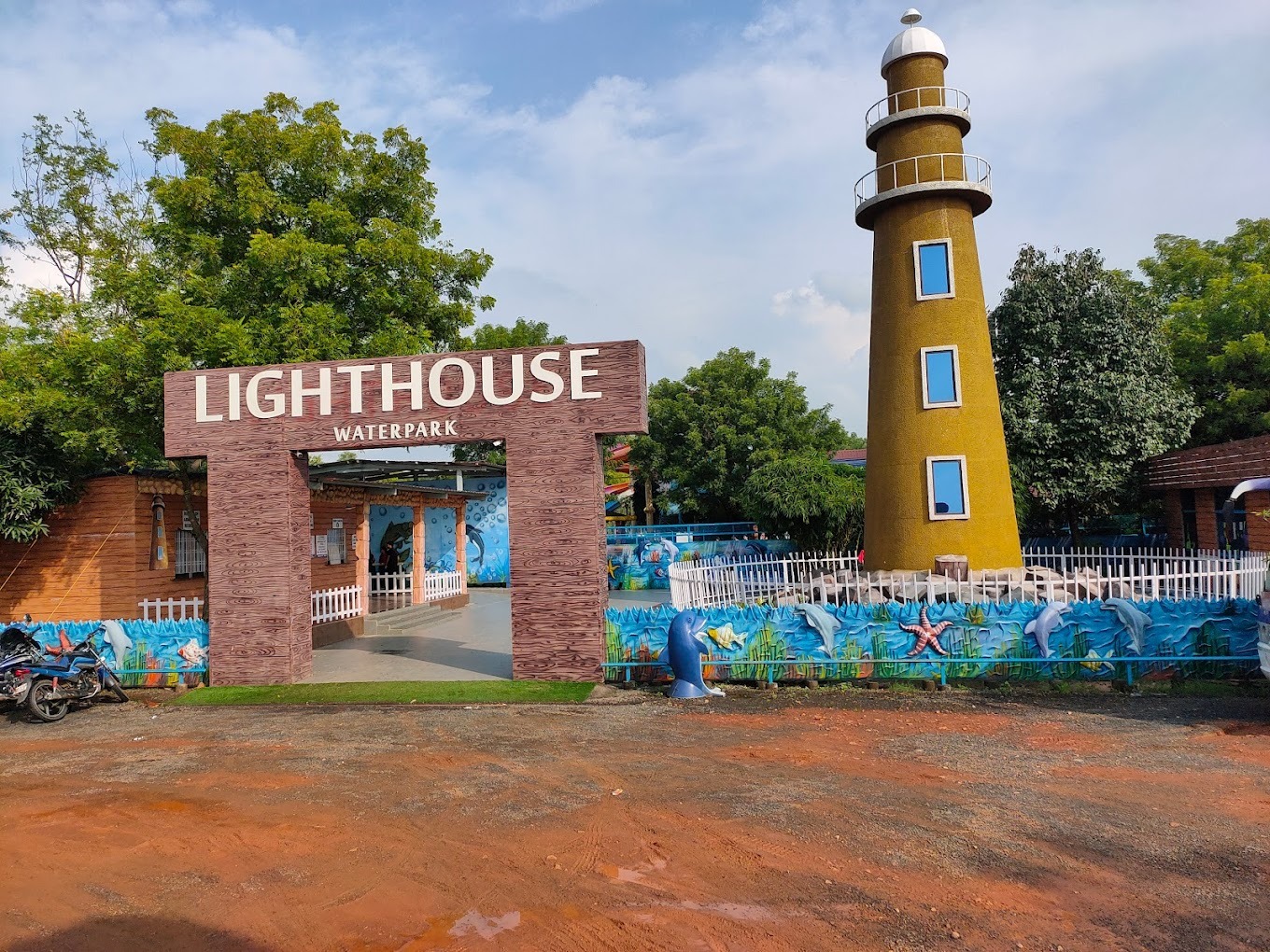
Lighthouse Waterpark
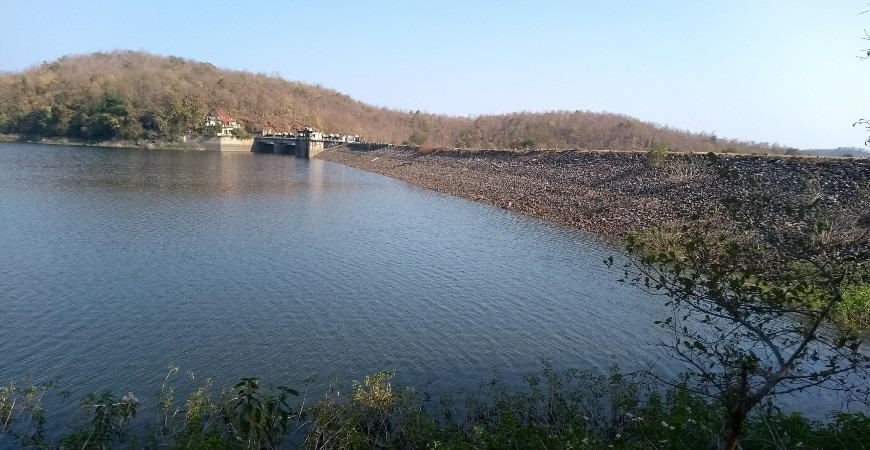
Pench National Dam
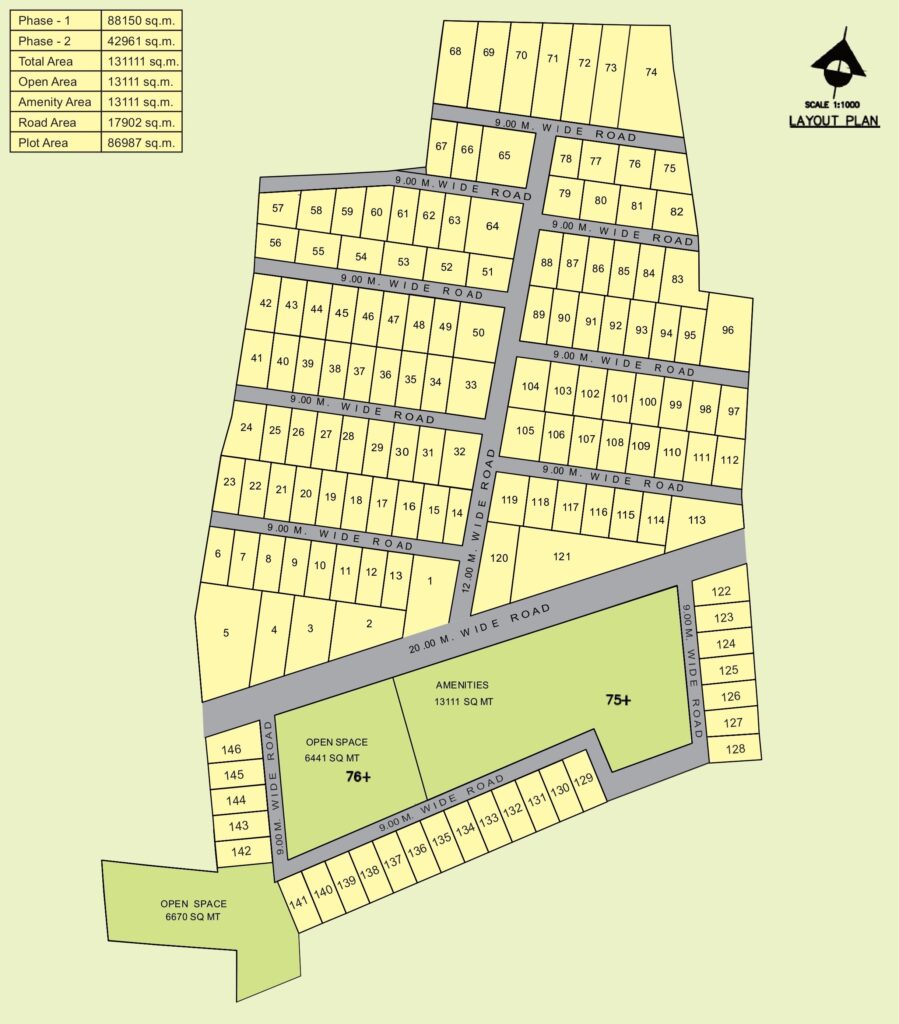
Proposed Lay-Out Plan For Farm
Plots
Available
Token
Sold
Reserve
Sector 1 KH(86)
34
0.05R (5382sqft)
Swati Gaurav Chokhani
35
0.05R (5382sqft)
Swati Gaurav Chokhani
36
0.05R (5382sqft)
Isha Nilesh Sharwane
37
0.05R (5382sqft)
Isha Nilesh Sharwane
38
0.05R (5382sqft)
39
0.05R (5382sqft)
40
0.05R (5382sqft)
41
0.05R (5382sqft)
Mrs. Ranjitha
42
0.05R (5382sqft)
43
0.05R (5382sqft)
Trupati Siddhant Paradkar
44
0.05R (5382sqft)
Lekhprakash Neelamkumar Chhajer
45
0.05R (5382sqft)
46
0.05R (5382sqft)
47
0.05R (5382sqft)
Krushna Ganpantrao Huske
48
0.05R (5382sqft)
Krushna Ganpantrao Huske
49
0.05R (5382sqft)
Priyanka Amit Saklecha
52
0.05R (5382sqft)
53
0.05R (5382sqft)
54
0.05R (5382sqft)
Aman Brijlal Pandey
55
0.05R (5382sqft)
Sachin Vasantaji Rangari
56
0.05R (5382sqft)
57
0.05R (5382sqft)
58
0.05R (5382sqft)
59
0.05R (5382sqft)
60
0.05R (5382sqft)
61
0.05R (5382sqft)
62
0.05R (5382sqft)
Sector 2 KH(87/1/A)
1
0.10R (10764Sqft)
Dev Yogesh Raichura
2
0.10R (10764Sqft)
Priya
3
0.10R (10764Sqft)
Ashok Gangaram Belekar
4
0.10R (10764Sqft)
Sapna Shrivas & Sarita Shrivas
5
0.20R (21528Sqft)
6
0.05R (5382sqft)
Abiral Upadhyay
7
0.05R (5382sqft)
Mr.Mayukh Ghosh
8
0.05R (5382sqft)
Shyam Shriram Jane
9
0.05R (5382sqft)
Shyam Shriram Jane
10
0.05R (5382sqft)
Shrikant Harankhede
11
0.05R (5382sqft)
Chandra Mohan Sing
12
0.05R (5382sqft)
Pooja Bhashkarrao Lichade
13
0.05R (5382sqft)
Kamlesh Vijay Surana
16
0.05R (5382sqft)
Sneha Uttam Jaiswal
17
0.05R (5382sqft)
Amit Rajendra Chafle
18
0.05R (5382sqft)
Dhritika Singh Bisen
19
0.05R (5382sqft)
Kundan Pantawane
20
0.05R (5382sqft)
Bhumika Sandeep Agarwal
21
0.05R (5382sqft)
22
0.05R (5382sqft)
Vidhya Sharif Lal Vaidya
23
0.05R (5382sqft)
Sharif Lal Shreekumar Vaidya
24
0.05R (5382sqft)
25
0.05R (5382sqft)
26
0.05R (5382sqft)
27
0.05R (5382sqft)
28
0.05R (5382sqft)
Ramakant Nandkishore Sarda
29
0.05R (5382sqft)
30
0.05R (5382sqft)
Niraj Shankarlal Jangid
31
0.05R (5382sqft)
Vinayak Namdeorao Wakodikar
Sector 3 KH(88/1)
14
0.05R (5382sqft)
15
0.05R (5382sqft)
113
0.10R (10764Sqft)
Shikha Ajay Shambharkar
114
0.05R (5382sqft)
Shobha Paliwal
115
0.05R (5382sqft)
Hemant Mahavirprasad Paliwal
116
0.05R (5382sqft)
117
0.05R (5382sqft)
Anup Vijay Deshmukh
118
0.05R (5382sqft)
Prashant Vijay Deshmukh
119
0.05R (5382sqft)
120
0.10R (10764Sqft)
Sanju Jangid
121
0.20R (21528Sqft)
Sector 4 KH(92)
32
0.05R (5382sqft)
33
0.05R (5382sqft)
50
0.05R (5382sqft)
51
0.05R (5382sqft)
Swapnil Manikrao Meshram
83
0.05R (5382sqft)
84
0.05R (5382sqft)
Juzer Zoeb Hassonjee
85
0.05R (5382sqft)
Juzer Zoeb Hassonjee
86
0.05R (5382sqft)
87
0.05R (5382sqft)
88
0.05R (5382sqft)
Sumit Patil
89
0.05R (5382sqft)
Manoj Raut
90
0.05R (5382sqft)
Manoj Raut
91
0.05R (5382sqft)
92
0.05R (5382sqft)
93
0.05R (5382sqft)
94
0.05R (5382sqft)
95
0.05R (5382sqft)
96
0.05R (5382sqft)
97
0.05R (5382sqft)
98
0.05R (5382sqft)
99
0.05R (5382sqft)
100
0.05R (5382sqft)
101
0.05R (5382sqft)
Anshul Madan Ahirkar
102
0.05R (5382sqft)
Niraj Tekchand Nakashe
103
0.05R (5382sqft)
Pankaj Tekchand Nakashe
104
0.05R (5382sqft)
105
0.05R (5382sqft)
106
0.05R (5382sqft)
Sushila Sudhesh Patil
107
0.05R (5382sqft)
Vikram Premnath Hinge
108
0.05R (5382sqft)
Samyak Siddhart Surana
109
0.05R (5382sqft)
Aarti Siddhart Surana
110
0.05R (5382sqft)
111
0.05R (5382sqft)
Unmesh Keshwar And Hemendra Kanoje
112
0.05R (5382sqft)
Dhananjay Puranik
Sector 5 KH(94)
63
0.05R (5382sqft)
64
0.10R (10764Sqft)
65
0.10R (10764Sqft)
Vijay Chand / Manoj Kumar Dalchand Minny
66
0.05R (5382sqft)
Ashish Hariprasad Daga
67
0.05R (5382sqft)
Prabhat Kedarnath Agarwal
68
0.10R (10764Sqft)
69
0.10R (10764Sqft)
70
0.10R (10764Sqft)
71
0.10R (10764Sqft)
72
0.10R (10764Sqft)
73
0.10R (10764Sqft)
74
0.20R (21528Sqft)
75
0.05R (5382sqft)
76
0.05R (5382sqft)
77
0.05R (5382sqft)
Surbhi Nilesh Mishra
78
0.05R (5382sqft)
79
0.05R (5382sqft)
Gajanan Daulat Wanjari
80
0.05R (5382sqft)
Gopal Girdharilal Jangid
81
0.05R (5382sqft)
Pukhraj Mulchand Jangid
82
0.05R (5382sqft)
Phase 2
122
123
124
125
126
127
128
129
130
131
132
133
134
135
136
137
138
139
140
141
142
143
144
145
146
Premium Sandalwood Farmland
Location: Near Pench Forest, Mansar Kandri Village
Is Agricultural Land in Maharashtra Still a Smart Buy
Is Agricultural Land in Maharashtra Still a Smart Buy
Why Is Agricultural Land in Maharashtra in Demand Right Now?
Mostly because Maharashtra offers something few farming states can – genuinely fertile land that’s also close to Mumbai, Pune, and Nagpur’s commercial networks. Fertile belts and business hubs rarely overlap this well. Nagpur sits almost dead centre in the country. That geography isn’t just trivia – it means road and rail access is good enough that an investor doesn’t have to live anywhere near the land to keep an eye on it. Someone in Mumbai can own a plot near Nagpur and still manage it without much friction. There’s also a soil story here that people miss. The red and black soil common around Nagpur happens to be exactly what sandalwood trees want – well-drained, and paired with a semi-arid climate that lets the tree build up its fragrant heartwood over time. Not every region in India can grow this crop well. Nagpur can. A few things are pulling demand in this direction:- Central location, easy reach from three major cities
- Red/black soil that suits sandalwood specifically
- Decent groundwater across most talukas in the belt
- Resale values climbing as nearby towns expand outward
What Makes Sandalwood Farmland Different From Regular Agricultural Land?
The short version: it’s a single tree crop instead of something you replant every season, and that one difference rewrites the whole risk-and-reward equation. Think about what a regular vegetable or grain plot demands – seeds, fertiliser, labour, water, over and over, every few months, with the payoff riding on that season’s weather and whatever the mandi is paying that week. Sandalwood doesn’t work like that. Once it’s in the ground and established, it mostly just… grows. Quietly. For years. The value isn’t in a harvest cycle – it’s locked inside the heartwood and oil the tree slowly builds up. Here’s the part that surprises most first-time buyers: sandalwood is one of the few agricultural assets in which the crop itself appreciates, not just the land beneath it. Perfumery, cosmetics, and religious-use demand for sandalwood oil and heartwood hasn’t slowed down, even as wild sandalwood harvesting has been restricted and supply has gotten tighter.| Factor | Regular Crop Farmland | Sandalwood Farmland |
| Input needed | Continuous, every season | Low, once trees establish |
| Income cycle | Every few months | Long-term, at maturity |
| Price driver | Local mandi rates | Global commodity demand |
| Main risk | Weather, pests, season to season | Land title and long-term care |
How Do You Buy Agricultural Land in Maharashtra Safely?
Verify the title, confirm the land’s official classification, and register the sale deed at the Sub-Registrar’s office – skip any of these three, and you’re taking on risk you don’t need to. Maharashtra actually keeps decent land records compared to a lot of states, which lulls people into cutting corners. Don’t. A plot can look completely clean on the surface and still be tied up in a family dispute, sitting under an unpaid loan, or classified in a way that limits what you’re even allowed to do with it. Before you commit a single rupee, pull the 7/12 extract (Satbara Utara) along with the mutation record. Together, these two documents tell you who actually owns the land right now, whether there’s any encumbrance sitting against it, and whether it’s officially recorded as agricultural. What that verification actually involves:- Pull the 7/12 extract – this confirms current ownership and the land’s classification
- Read through the mutation entries – shows every previous owner and flags pending transfers
- Get an Encumbrance Certificate – this is what rules out hidden loans or legal claims
- Double-check the land-use classification – agricultural land carries real restrictions on non-farm use
- Register the sale deed – until this happens, the transfer isn’t legally binding, no matter what’s been paid
What Returns Can You Expect From a Sandalwood Plantation?
It comes down to three things – how many trees survive, how old they are at harvest, and how good the heartwood quality turns out to be. Older trees with denser heartwood simply sell for more per kilogram. Here’s the honest caveat: sandalwood needs roughly 12 to 15 years before the heartwood becomes commercially worthwhile. This is not a quick-flip investment, and anyone telling you otherwise is skipping the biology. What you get instead is a return that compounds with patience – every extra year the tree sits undisturbed, its heartwood and oil content deepens, and its market value climbs alongside it. Because sandalwood oil and heartwood feed into global perfumery and cosmetics demand rather than a local grain market, pricing tends to be sturdier too – it doesn’t swing wildly the way seasonal crop rates do after a bad monsoon. What actually moves your final return:- Tree age at harvest – older almost always means denser, pricier heartwood
- How many trees actually survived – soil and water management decide this early on
- Heartwood-to-sapwood ratio, which shifts in your favor as the tree ages
- Global sandalwood demand at the point you decide to harvest
Step-by-Step: How to Purchase Sandalwood Farmland in Maharashtra
- Shortlist the region. Nagpur and the talukas around it fit sandalwood’s soil and climate needs – settle on the area before you start looking at individual plots.
- Verify the land records. Pull the 7/12 extract and mutation history yourself; don’t just take the seller’s word for a clean title.
- Visit the plot, or send someone you trust. Check the soil, the drainage, and – if trees are already planted – how the existing plantation is actually doing.
- Negotiate the price with the plantation stage in mind. A newly planted plot, a partially grown one, and a near-maturity plot are three very different valuations.
- Draft the sale agreement properly. Get payment terms, timelines, and anything tied to the plantation itself written down clearly.
- Register the sale deed. This happens at the local Sub-Registrar’s office and is the step that actually makes the transfer legal.
- Update the 7/12 extract afterward. Confirm the mutation now shows you as the owner – don’t assume it happened automatically.
Frequently Asked Questions
Q1: Is it legal for anyone to buy agricultural land in Maharashtra?
Not automatically. Maharashtra's Tenancy and Agricultural Lands Act mostly restricts these purchases to farmers or people with agricultural income. If you don't fall into that category, you'll likely need specific permission first, so it's worth checking your eligibility before you get attached to a particular plot.
Q2: How much does agricultural land cost in the Nagpur region?
It swings a lot depending on the taluka, soil quality, and how far the plot sits from the city - anywhere from a few lakhs to well over a crore per acre in the faster-developing zones. Comparing recent registered sale deeds nearby, or just visiting a few sites yourself, gives a far more honest number than any online estimate.
Q3: Can sandalwood be legally grown and sold in Maharashtra?
Yes. Growing sandalwood on private agricultural land is legal, and the rules around it have loosened a lot compared to the older era of tight state control over harvesting. That said, once a tree is mature, growers still need to follow forest department guidelines when it comes to felling and transport.
Q4: How long before a sandalwood tree becomes profitable?
Roughly 12 to 15 years is the realistic window before the heartwood is developed enough to be commercially valuable. Some smaller returns can come earlier through intercropping or thinning, but the real payout is at maturity - there's no honest way around that timeline.
Q5: What documents should I check before buying agricultural land?
At the very least: the 7/12 extract, the mutation entries, an encumbrance certificate, and confirmation of the land-use classification. Together, these tell you who owns it, whether it's free of loans or disputes, and whether it's actually recorded as agricultural.