
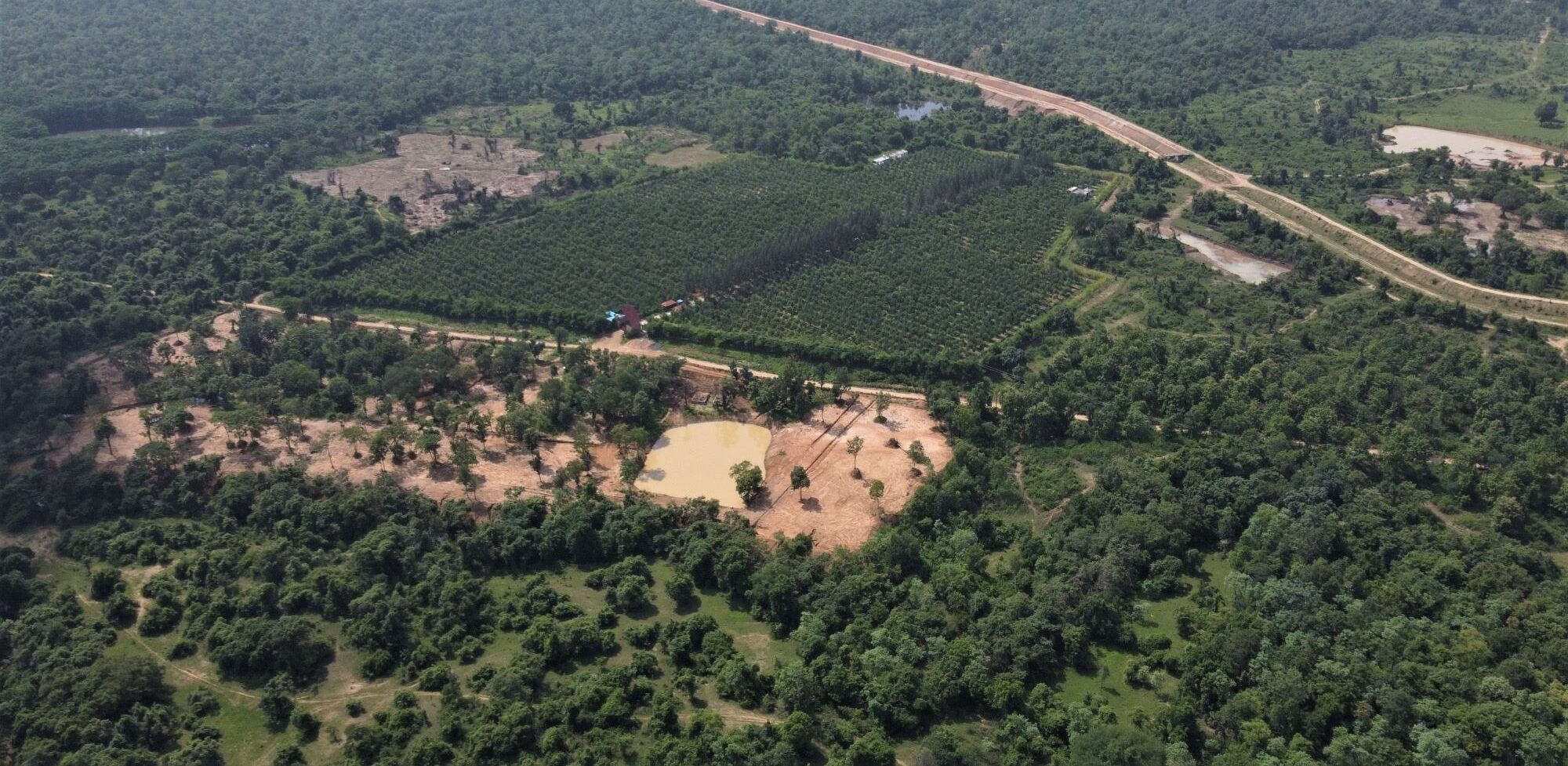
Nagpur’s outskirts have quietly become one of Maharashtra’s most talked-about destinations for land buyers who want more than just a plot on paper. Between the city’s expanding infrastructure, its central location in India, and a growing appetite for long-horizon farmland investment, agricultural land near Nagpur is drawing attention from buyers who used to look only at residential real estate. But there’s a factor that’s changing the conversation entirely: sandalwood.
Sandalwood is not a crop most people associate with everyday farmland. It’s slow-growing, high-value, and historically restricted – which is exactly why informed buyers are paying attention now that cultivation has opened up. If you’re evaluating options to buy plots in Nagpur, understanding how sandalwood farming fits into the picture could change how you think about your investment.
Why Agricultural Land Near Nagpur Is Gaining Attention
Nagpur sits at India’s geographic centre, connected by road, rail, and air to every major region of the country. That connectivity matters for agricultural land in Nagpur because it affects everything from transport of produce to eventual resale value. Add to this the region’s suitable soil and climate conditions for sandalwood cultivation, and you have a location that’s increasingly seen as a serious long-term land investment – not just a rural plot.
Buyers considering agricultural land near Nagpur typically fall into a few categories: first-generation land investors looking to diversify beyond stocks and gold, NRIs seeking a tangible asset back home, and farming families interested in shifting toward higher-value, lower-maintenance crops. Sandalwood appeals to all three because it doesn’t demand daily active farming – it demands patience.
The Sandalwood Factor: What Makes It Different
Traditional agricultural land in Nagpur is often purchased for seasonal crops that require ongoing labor, water management, and market timing. Sandalwood works differently. It’s a long-duration crop, typically maturing over 12 to 15 years, during which the tree itself accrues value through its heartwood – the fragrant core used in essential oils, perfumery, and religious products.
This changes the entire investment calculus:
- Lower recurring input costs compared to seasonal farming once the plantation is established
- Appreciating asset value as the trees mature, rather than a crop that must be sold immediately after harvest
- Established demand – sandalwood has centuries of use in oils, cosmetics, and religious practice, both domestically and for export
- Land value support – a sandalwood plantation is a visible, verifiable asset that adds credibility to the underlying land parcel
For someone comparing options to buy plots in Nagpur purely for capital appreciation versus plots developed with a sandalwood plantation, the difference is that one is a bet on location alone, while the other combines location with a maturing biological asset.
What to Check Before You Buy
Not every parcel of agricultural land near Nagpur is suited to sandalwood, and not every seller offering “sandalwood land” has done the groundwork correctly. Before finalising a purchase, buyers should verify:
- Title clarity – clear, marketable title with no pending disputes or encumbrances
- Land classification – confirmation that the land is legally agricultural and permitted for the intended plantation use
- Soil and water suitability – sandalwood needs specific drainage and a host plant system to thrive; not all soil in the region is equally suited
- Plantation documentation – if trees are already planted, ask for age records, host plant details, and maintenance history
- Access and boundaries – physical access roads and demarcated boundaries, ideally with a recent survey
Buying agricultural land in Nagpur without this due diligence is the single biggest risk factor, regardless of whether sandalwood is involved.
Why Choose Sandalwood Farmland Investment?
- Long-term value growth – sandalwood’s value increases as the tree matures, unlike seasonal crops that reset each cycle
- Low day-to-day involvement – once established, plantations require far less active management than conventional farming
- Strong and steady demand – used across perfumery, cosmetics, oils, and religious products, keeping demand consistent
- Tangible, verifiable asset – buyers can physically inspect the plantation and land, unlike purely paper-based investments
- Diversification from conventional assets – an alternative to stocks, gold, or standard real estate for long-horizon investors
- Regional advantage – Nagpur’s soil, climate, and central connectivity support both cultivation and eventual logistics
Is This the Right Investment for You?
Agricultural land near Nagpur, particularly land suited to sandalwood cultivation, tends to suit buyers with a long-term view rather than those seeking quick turnover. If your goal is patient wealth-building through a tangible, appreciating asset – and you’re comfortable with a multi-year horizon before the plantation reaches full maturity – this is worth serious evaluation. If you need short-term liquidity, this may not be the right category of land for you.
Either way, the decision should start with clarity: clear title, verified land classification, and an honest understanding of what sandalwood farming actually requires before you commit.
Frequently Asked Questions
1. Is agricultural land near Nagpur a good investment for sandalwood farming?
Yes. Nagpur’s soil and climate conditions are considered favourable for sandalwood cultivation, and the region’s central connectivity adds long-term value to the underlying land.
2. How long does it take for sandalwood to mature after planting?
Sandalwood typically takes 12 to 15 years to mature to a stage where the heartwood can be harvested for commercial use.
3. What should I check before buying agricultural land in Nagpur?
Verify title clarity, land classification, soil and water suitability, access roads, and – if a plantation already exists – documentation of tree age and maintenance history.
4. Can I buy plots in Nagpur specifically for sandalwood cultivation?
Yes, provided the land is legally classified as agricultural, and the soil and drainage conditions support sandalwood and its required host plant system.
5. Is sandalwood farming legal in India?
Yes. Sandalwood cultivation on privately owned agricultural land is legal in India, though regulations around harvesting and sale of sandalwood may vary by state and should be confirmed before harvest.
6. Why is sandalwood considered a high-value crop compared to other agricultural options?
Sandalwood’s heartwood is used in perfumery, cosmetics, and religious products, and it commands strong, consistent demand – while requiring lower recurring input costs than most seasonal crops once established.