
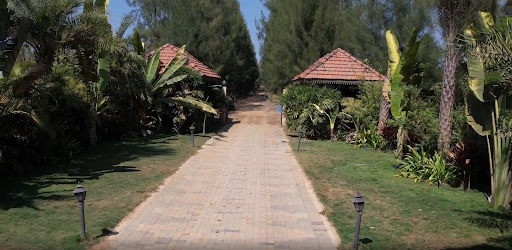
If you’ve been exploring investment options lately, you’ve probably noticed a shift. People are no longer looking only at stocks or city real estate. There’s a growing interest in something more grounded – literally. Farmland is making a quiet comeback, and in particular, Agricultural land in Maharashtra is getting a lot of attention.
But here’s where it gets interesting – when this land is used for sandalwood farming, it becomes more than just land. It turns into a long-term, living asset.
Why Sandalwood Is Back in Focus
Sandalwood isn’t new. It’s been part of Indian culture for centuries – used in temples, skincare, and even traditional medicine. What’s changed now is the demand. It has gone global.
At the same time, supply hasn’t kept up. Restrictions in the past slowed cultivation, and even today, not many farmers grow sandalwood at scale. That gap between demand and supply is exactly why investors are now looking at sandalwood farms on Agricultural land in Maharashtra as a serious opportunity.
It’s Not a Quick Flip – and That’s the Point
Let’s be honest – this is not a “get rich quick” kind of investment. Sandalwood takes time. But that’s also what makes it valuable.
Sandalwood, unlike the crops you reap each year, develops slowly, its worth climbing as the years pass. It’s akin to a long-term investment, quietly appreciating its value.
A more cautious and deliberate approach is often favored, particularly by those investing in Maharashtra’s agricultural land. This strategy offers stability, a helpful contrast to the unpredictability often seen in other investment options.
You Can Still Earn While You Wait
One common question people have is: “What happens while the trees are growing?”
This is where sandalwood has an edge. It doesn’t need to stand alone. Farmers usually grow host plants alongside it, which means the land can still generate income in the early years.
So instead of waiting endlessly, your Agricultural land in Maharashtra can stay productive throughout the journey.
Why Maharashtra Works So Well
Not all farmland is equal. Location matters – a lot.
Maharashtra offers a good mix of soil quality, climate, and connectivity. Some regions are especially suitable for sandalwood growth, which is why organised farmland projects are picking up here.
Another practical advantage?
Accessibility. Owning farmland in Maharashtra offers a distinct advantage: proximity to major urban centres. This means visits, management, and a general sense of connection to your investment are all considerably simpler.
A More Sustainable Choice
There’s also a bigger picture to consider. More investors today want their money to do something meaningful – not just grow. Sandalwood farming is relatively sustainable. It doesn’t demand excessive water, and it supports greener land use. Over time, it can even improve the overall ecosystem of the farm. That makes Agricultural land in Maharashtra used for sandalwood not just a financial decision, but a conscious one too.
Where SM Golden Fits In
Now, let’s address the practical side. Most people interested in farmland don’t actually want to manage it themselves. And honestly, that’s a perfectly reasonable point. SM Golden, in fact, is built around this very idea.
They specialize exclusively in sandalwood farms, which means they’re able to really hone in on that one area. SM Golden takes care of all the hard work, from the initial planting all the way through to the day-to-day upkeep.
This means you can invest in agricultural land in Maharashtra, even if you’re a complete beginner, without feeling overwhelmed.
It’s about more than just the financials.
There’s a less-discussed aspect of owning farmland – the emotional connection. It’s a different experience than owning an apartment or stocks. With a sandalwood farm, you can physically visit the land, walk through it, and witness the trees’ growth over the years.
There’s a certain satisfaction in that. For many people, that connection makes investing in Agricultural land in Maharashtra feel more real and meaningful.
A Different Kind of Diversification
If your existing investments are primarily in markets or urban real estate, consider adding farmland to your portfolio for a fresh perspective. It doesn’t move in the same way as stocks, and it’s not as reactive to short-term trends.
Sandalwood, especially, has a more stable demand outlook.
That’s one of the reasons why people are gradually adding Agricultural land in Maharashtra to balance their overall investments.
So, Is It Worth Considering?
It depends on what you’re looking for. If you’re after something quick, this probably isn’t the best fit. However, if you’re considering a long-term investment – something that appreciates gradually, offers genuine value, and has a physical presence – then sandalwood farming deserves your attention.
With the right guidance from a focused brand like SM Golden, investing in Agricultural land in Maharashtra becomes much simpler than most people expect. And maybe that’s the biggest shift – we’re moving from chasing quick returns to building something that actually grows over time.
Frequently Ask Questions
What is the minimum agricultural land to buy in Maharashtra?
There is no such minimum size for agricultural land in Maharashtra. Under the Tukdebandi Act, land cannot be divided below a specified minimum. Land deals are typically allowed only when the plot meets a practical minimum size, commonly around 11 to 16 gunthas (about 0.27 to 0.4 acres), depending on local regulations.
What are the new rules for agricultural land in Maharashtra?
The state government focused on simplifying land use and conversion rules. Agricultural land will no longer require separate NA permission from the District Collector for conversion to non‑agricultural use.
How much agricultural land can a person hold in Maharashtra?
An individual or family can own a maximum of 54 acres of agricultural land, though this limit varies based on irrigation type and land quality. The ceiling generally ranges from 18 acres for superior irrigated land to 54 acres for dry crop land.